True globalization is achieved not when a product becomes a momentary sensation, but when it earns a place in consumers’ everyday routines. Frozen gimbap has recently sparked sellout frenzies in U.S. grocery stores, and K-food continues to gain explosive popularity. Yet it may still be too early to say that Korean food has fully won over American food culture. Imagine an ordinary meal in a typical American household, and the gap becomes clear. K-food is likely still seen as something to enjoy once or twice a week—an exciting alternative rather than an everyday choice.
So, should K-food remain a “special occasion” meal consumed only from time to time? Not at all. This is where CJ CheilJedang’s next step toward true globalization begins.
미국 식탁에 스며들기 대작전
K-푸드, 아무리 인기가 많아도 평범한 미국 가정의 냉장고를 열어보면 떡볶이와 김밥은 여전히 일주일에 한두 번 먹는 ‘특별한 외국 음식’에 머물러 있을 가능성이 높습니다. 그들이 매일 퇴근하고 데워 먹는 진짜 주식은 결국 피자, 햄버거, 파스타 같은 음식일 테니까요.
그렇다면 K-푸드는 영원히 가끔 먹는 특식에 머물러야 할까요? 아닙니다. 여기서 진짜 글로벌화의 다음 스텝이 등장합니다. 식탁을 하루아침에 한식으로 엎어버리는 게 아니라, 그들이 태어날 때부터 먹고 자란 가장 익숙한 일상식에 한국의 맛을 자연스럽게 스며들게 하는 겁니다. 이른바 치밀하고 정교한 ‘식문화 물밑작업’이죠.
이 관점에서 보면, 2019년 CJ제일제당이 미국 냉동식품 시장의 거인 ‘슈완스(Schwan's)’를 인수한 건 엄청난 포석이었습니다. 당시 많은 사람들이 이렇게 생각했을 겁니다. “아, 슈완스가 가진 미국 전역 마트 유통망에 비비고 만두를 쫙 깔려고 하는구나!” 유통망 확보, 물론 맞습니다. 하지만 그건 절반의 진실에 불과하죠. 진짜 핵심은 두 회사가 가진 압도적인 ‘기술력의 결합’이었거든요.
슈완스는 미국 냉동피자 1위 ‘레드바론(Red Baron)’을 만든, 도우를 굽는 데는 최고 수준의 기술력을 가진 곳입니다. 여기에 전 세계를 홀린 비비고의 한국식 풍미가 결합한다면? 미국인들이 가장 사랑하고 익숙하게 먹는 피자라는 ‘포맷’ 위에 한국의 맛을 올리는 겁니다.
그 융합의 결과물이 바로 최근 미국 코스트코에 정식 입성한 ‘비비고 코리안 BBQ 스타일 피자(bibigo Korean BBQ-Style Pizza)’입니다. 이게 왜 대단한 걸까요? 큰맘을 먹고 낯선 외국 음식을 집을 필요 없이, 미국 소비자들은 ‘오늘 저녁 그냥 피자 먹을까?’ 하고 익숙하게 집어 들게 됩니다. 한국 음식을 강요하는 게 아니라, 피자라는 그들의 언어를 통해 한국의 맛을 아주 자연스럽게 소비하도록 형태를 빌린 겁니다.
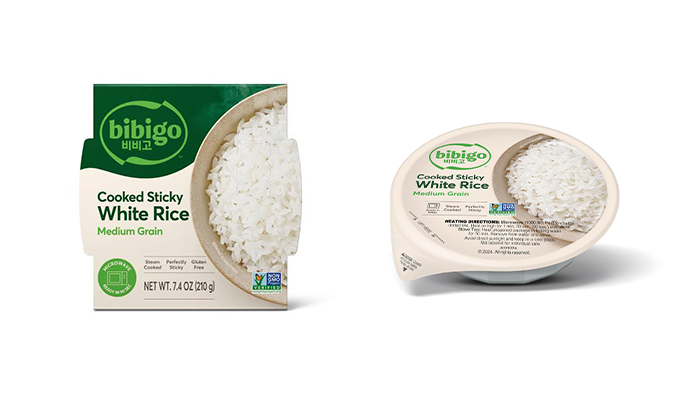
이런 치밀한 물밑작업은 피자에만 국한되지 않습니다. 최근 뉴욕 타임스퀘어 한복판에 뜬 글로벌 햇반, ‘비비고 스티키 라이스(bibigo sticky rice)’ 광고를 보면 CJ제일제당의 의도가 더 명확해집니다. 대문짝만하게 걸린 카피가 뭔지 아시나요? 'Sticks to anything!’ 어디에나 찰떡같이 어울린다는 뜻이죠. 보통 밥이면 ‘삼겹살이나 김치랑 드세요’라고 홍보하는 게 상식이죠. 하지만 CJ제일제당은 판을 다르게 짭니다. 스테이크, 부리또 볼, 심지어 맥앤치즈까지. 평소에 썰고 포크로 찍어 먹는 음식들 옆에 이 찰진 밥을 한번 곁들여 보라고 제안하는 겁니다.
소비자가 언제 어디서 한식을 소비해야 할지 모르면 확장에 한계가 올 수밖에 없습니다. 그래서 CJ제일제당은 아예 현지의 메뉴와 식문화 속에 한국의 밥을 페어링 시켜버리는 방식을 택한 거죠.
처음에는 호기심으로 만두 한 봉지를 집었던 소비자가, 어느 날은 피자에서 한국의 맛을 만나고, 또 어느 날은 평소 먹던 식사에 밥을 곁들이는 것. 이렇게 K-푸드가 특별한 경험에서 벗어나 매일의 식탁에서 자연스럽게 선택할 수 있는 음식으로 자리 잡는 게, 어쩌면 K-푸드 세계화의 다음 단계일 겁니다.
Beyond Distribution: The Strategic Value of Acquiring Schwan’s
It is worth taking another look at CJ CheilJedang’s 2019 acquisition of Schwan’s, a major player in the U.S. frozen food market. At the time, many viewed the deal as a move to expand bibigo’s retail presence by leveraging Schwan’s nationwide distribution network. Securing local distribution was, of course, essential. But that represented only half of the potential synergy. What CJ CheilJedang was really pursuing was the combination of the two companies’ formidable technological capabilities, built over decades.
Schwan’s is the company behind Red Baron, the No. 1 brand in the U.S. frozen pizza market. After decades of studying American tastes and perfecting the frozen pizza experience, it has developed industry-leading expertise. Now imagine that expertise combined with the distinctly Korean flavors that have helped bibigo captivate consumers around the world. It opened a new path: bringing Korean flavor to one of the most widely enjoyed formats in America—pizza.
Translating Korean Flavors Into the Familiar Language of Pizza
The result of this technological integration is bibigo Korean BBQ-Style Pizza, which recently made its official debut in Costco’s frozen food aisles across the United States. By lowering the entry barrier to K-food, the product makes Korean flavor feel immediately approachable. Rather than making a deliberate decision to try an unfamiliar foreign dish, American consumers can simply think, “How about pizza for dinner tonight?” and pick it up as they normally would.
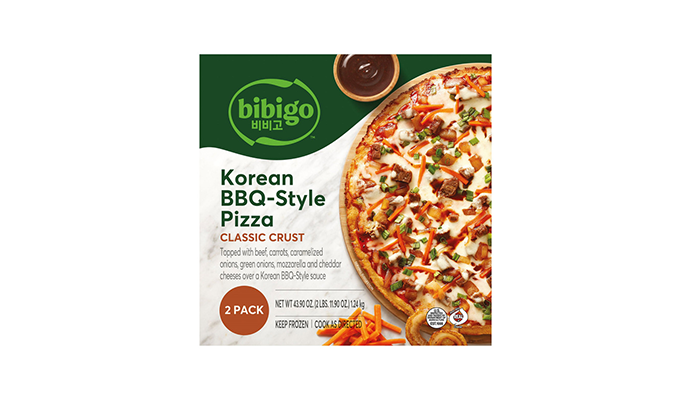
The format is familiar, but the flavor experience is something new. On top of the pizza comes the rich, savory depth of Korean-style bulgogi, balanced to suit the overall experience. Rather than simply presenting Korean food as it is, bibigo has gone a step further—borrowing the everyday language and format of pizza to redefine how Korean flavors can be enjoyed naturally, without hesitation.
“Pair It With Steak”: Redesigning the Context
This carefully considered approach extends well beyond pizza. A recent advertisement for bibigo Sticky White Rice, displayed prominently in the heart of Times Square, makes CJ CheilJedang’s intention clear.

The campaign’s main message is: “Sticks to anything!” In other words, this rice pairs beautifully with almost any dish. Conventionally, Korean rice might be promoted within the familiar framework of Korean cuisine: enjoy it with samgyeopsal, kimchi, or stew. But CJ CheilJedang has taken a broader approach. Steak, burrito bowls, even mac and cheese—the message is to try this sticky Korean rice alongside the everyday foods Americans already cut, scoop, and enjoy with a fork.
For a new food product to take root in an unfamiliar market, consumers need to understand intuitively when, where, and how to enjoy it. Without that context, growth inevitably has limits. That is why CJ CheilJedang has chosen to pair Korean flavors naturally with local menus and eating habits.
From a Special Experience to an Everyday Meal
At first, a local consumer may have picked up a bag of bibigo Mandu out of curiosity about an unfamiliar cuisine. Now, that same consumer can experience Korean flavor more deeply through a familiar pizza on one evening, then complete a meal the next day by serving sticky Korean-style rice alongside a steak they would normally enjoy.
This is the next stage of K-food globalization: moving beyond a special experience enjoyed once a week and becoming an everyday choice that finds its way naturally onto the table. CJ CheilJedang’s deliberate, behind-the-scenes efforts to bring Korean flavors into the heart of American meals may well be the foundation of what comes next for K-food around the world.