Circular Economy
We advance environmental sustainability and economic value through efficient resource use and waste reduction.
Our Approach
CJ CheilJedang has adopted “Fostering a Circular Economy” as a core strategy for a sustainable future. We promote sustainable packaging to reduce virgin plastic use and enhance recyclability, and is strengthening our waste management systems to achieve zero landfill waste across our sites. We are also committed to reduce food loss and waste throughout production and consumption, reducing resource inefficiencies and increasing the value of food. Environmental impacts across all business areas are systematically monitored, with measures in place to minimize risks. Through a circular economy approach, CJ CheilJedang seeks to fulfill our social responsibility and ensure sustainable, long-term growth.
Our Circular Economy Objectives
Sustainable Packaging
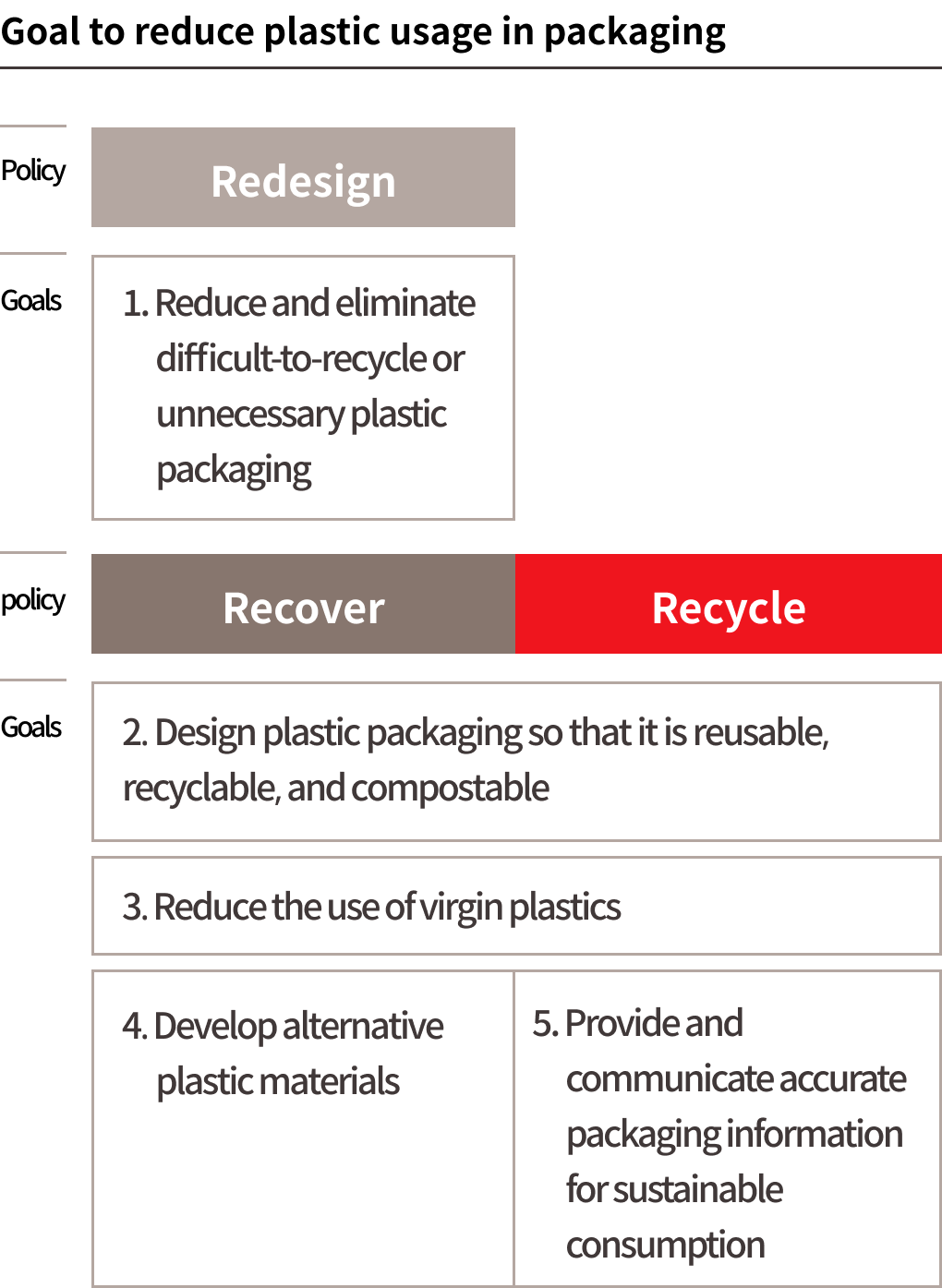
CJ CheilJedang is advancing a sustainable packaging strategy to minimize the environmental impact of our packaging materials. To achieve this, we are adopting circular-ready packaging designs to improve recyclability and developing materials that reduce the use of virgin plastics. We also eliminate and minimize unnecessary plastic packaging to maximize resource efficiency. These efforts reduce environmental impact across the entire lifecycle of packaging and contribute to fostering a circular economy.
In addition, CJ CheilJedang conducts research and development activities across the entire packaging life cycle, spanning material sourcing, design, usage, and disposal, based on the CJ CheilJedang Sustainable Packaging Policy. In 2024, research related to sustainable packaging accounted for 50.4% of the total packaging R&D budget.
Design for Packaging Circularity
CJ CheilJedang implements design for packaging circularity by using packaging materials that are recyclable, reusable, and compostable. Post-use plastic is recycled into PIR(Post-Industrial Recycled) and PCR(Post-Consumer Recycled) materials, which are then reapplied in packaging. We also source and applies renewable materials, such as bio-circular materials derived from agricultural and industrial by-products, as well as biobased materials made from grains and sugarcane. To address the growing concern over microplastics, CJ CheilJedang developed packaging using the biodegradable material PHA(Polyhydroxyalkanoate). In 2023, we launched a compostable coating suitable for microwave cooking, incorporating PHA. This innovation, now in commercial use across selected products, is recognized as a technology that can help mitigate the ecological impact of microplastics.
Virgin Plastic Usage Reduction
CJ CheilJedang reduces virgin plastic usage by eliminating unnecessary packaging and by modifying material specifications such as thickness and size. By minimizing the use of petroleum-based plastics, we are taking a proactive approach to addressing resource depletion. For example, with the launch of the bibigo Cup Tteokbokki in August 2024, the plastic cap was replaced with a lidding film, eliminating both the cap and the shrink film. To enhance durability during distribution, a robust coating was applied to the lidding film to prevent packaging damage and ensure product quality.
Removal and Minimization of Unnecessary Plastic Packaging Materials that Impact the Environment
To reduce the environmental harm caused by plastic and proactively respond to global regulations, CJ CheilJedang designated environmentally harmful or hard-to-recycle materials as “Problematic Materials” in 2023. Following this, feasibility assessments were completed across key global sites, including South Korea, the United States, Vietnam, China, the EU, and Japan. In 2024, we assessed the current status of packaging materials and initiated discussions on improvement plans. Going forward, we plan to establish region- and material-specific roadmaps to systematically phase out and minimize the use of Problematic Materials.
Enhancing the Sustainability of Hetbahn Containers
Since its launch, Hetbahn has become synonymous with instant rice, with cumulative sales surpassing 5.2 billion units1). While Hetbahn offers convenience in storage, portability, and preparation, its packaging inevitably generates waste that must be managed to minimize environmental impact. To address this, CJ CheilJedang is implementing packaging lifecycle management to ensure Hetbahn containers contribute to a circular economy. From raw material sourcing and design to production, use, and disposal, Hetbahn packaging reflects CJ CheilJedang’s technology and commitment at every stage.
1) Cumulative sales since Hetbahn’s launch, based on total product units and item sales revenue, as of November 2023.
Since the launch of Hetbahn in 1996, CJ CheilJedang has continuously reduced plastic usage by decrementing container thickness. The container wall thickness has been reduced from 1.1 mm at launch to 0.6 mm to date.
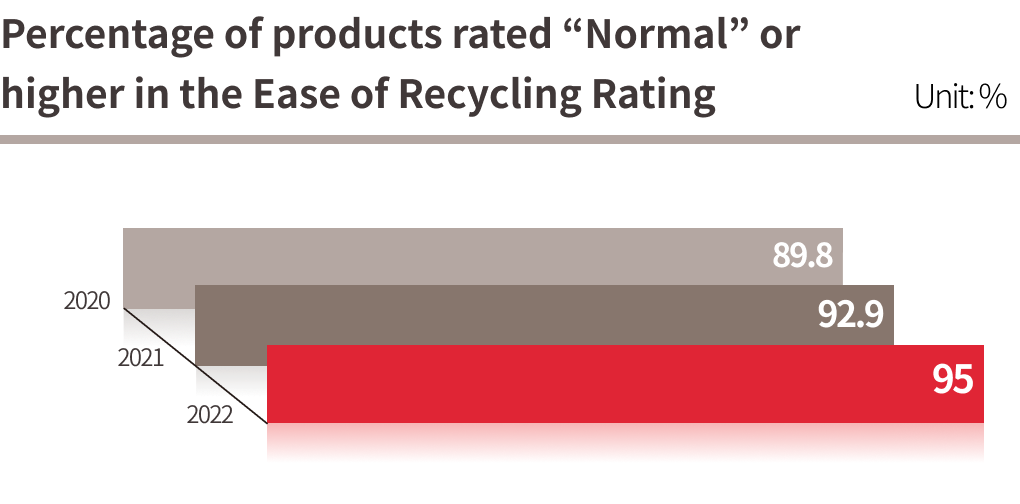
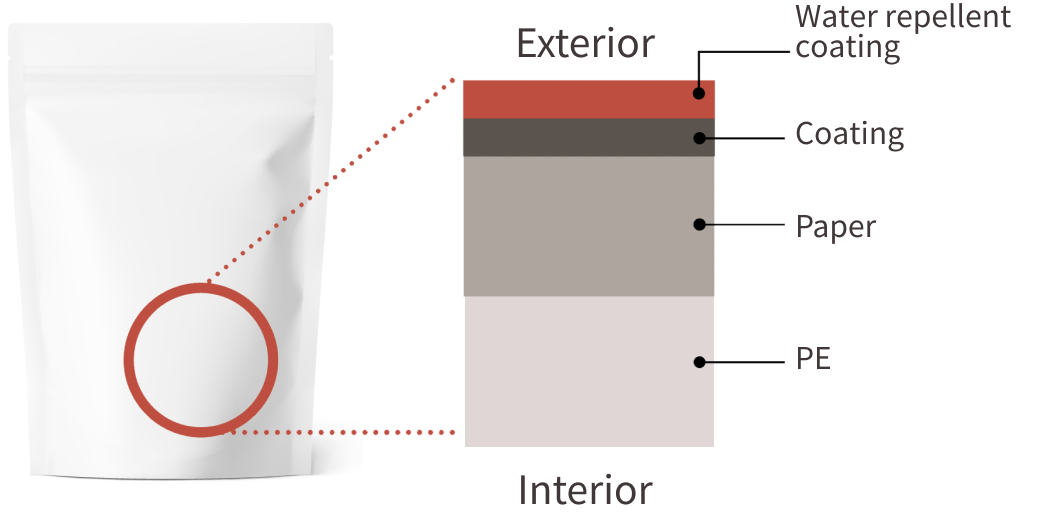
To minimize the environmental impact of plastic containers, CJ CheilJedang incorporates recycled materials and bio-based materials into its packaging production. Specifically, we apply PIR (Post-Industrial Recycled) materials and Bio-Circular PP (Bio-Circular Polypropylene) to its containers. Its subsidiary, Wonji, has completed the safety verification of PIR materials in accordance with global regulations. Scrap1) generated during the Hetbahn container production process is collected, processed, and reused as raw material in production, with the proportion of PIR recycled content continuously increasing.
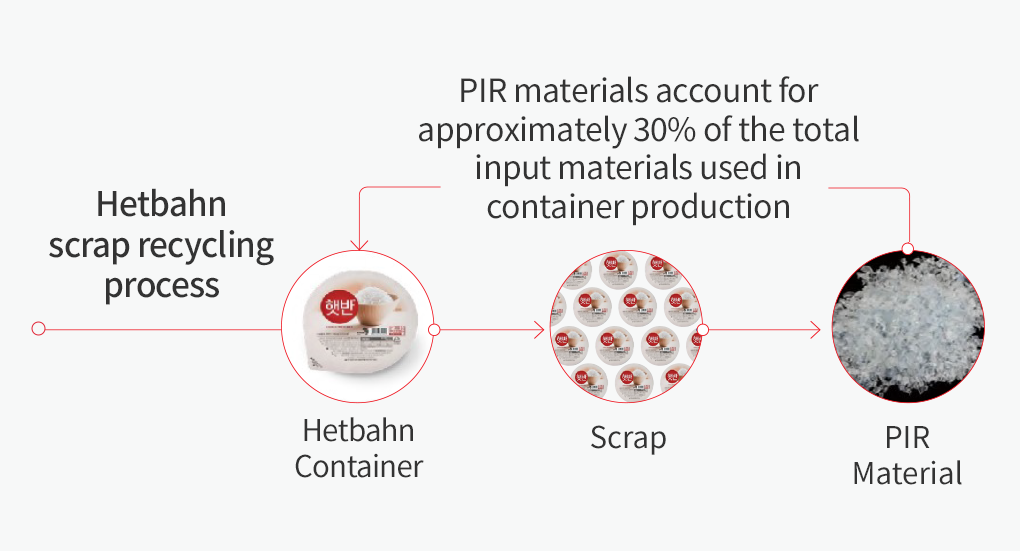
Hetbahn Container Collection and Upcycling
Collection Process
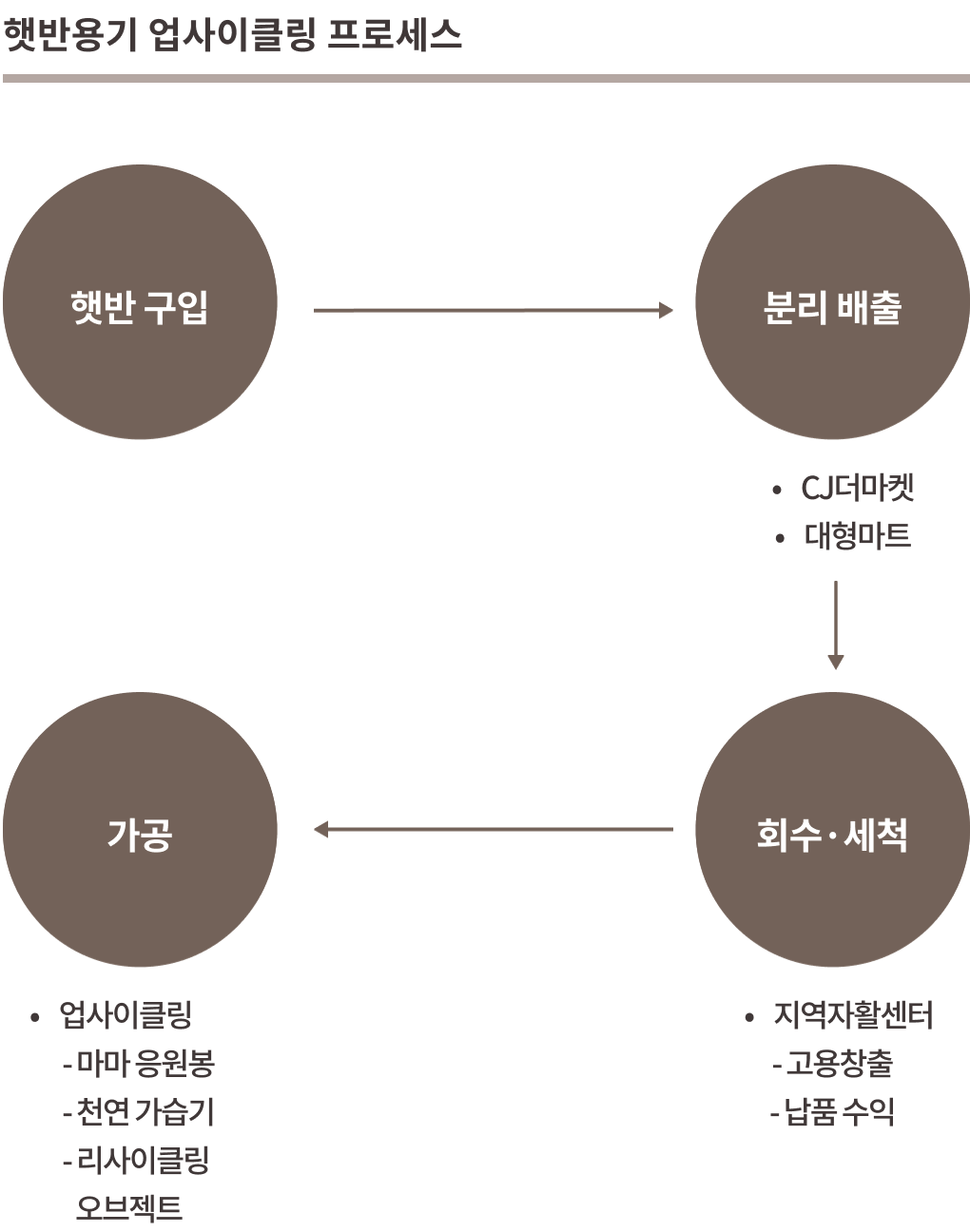
CJ CheilJedang operates a Hetbahn container recovery and upcycling system to communicate that Hetbahn containers are recyclable. Since the establishment of the system in 2022, annual recovery volumes have shown steady growth. We are expanding the recovery infrastructure in collaboration with multiple partner organizations.
Container Upcycling
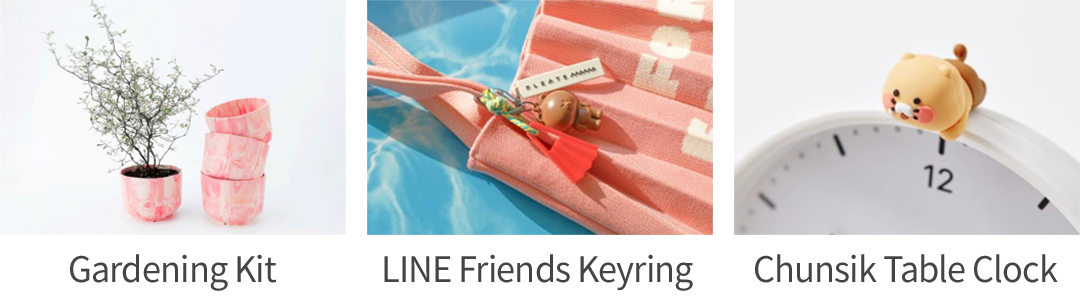
CJ CheilJedang has been recycling collected Hetbahn containers to create products that enhance consumer engagement. Following the 2022 MAMA light stick, in 2024 the company collaborated with LOWLIT COLLECTIVE to produce gardening pots and with PLEATSMAMA to create LINE Friends keyrings. In 2025, to encourage broader participation in Hetbahn container recycling, CJ CheilJedang partnered with Kakao Makers on the “Saegabeochi Project”, collecting approximately 120,000 Hetbahn containers. These recycled containers were transformed into “Chunsik Table Clocks”, featuring a playful detail of rice grains around Chunsik’s mouth to highlight the collaboration with Hetbahn.
Eco-Friendly Material Solutions
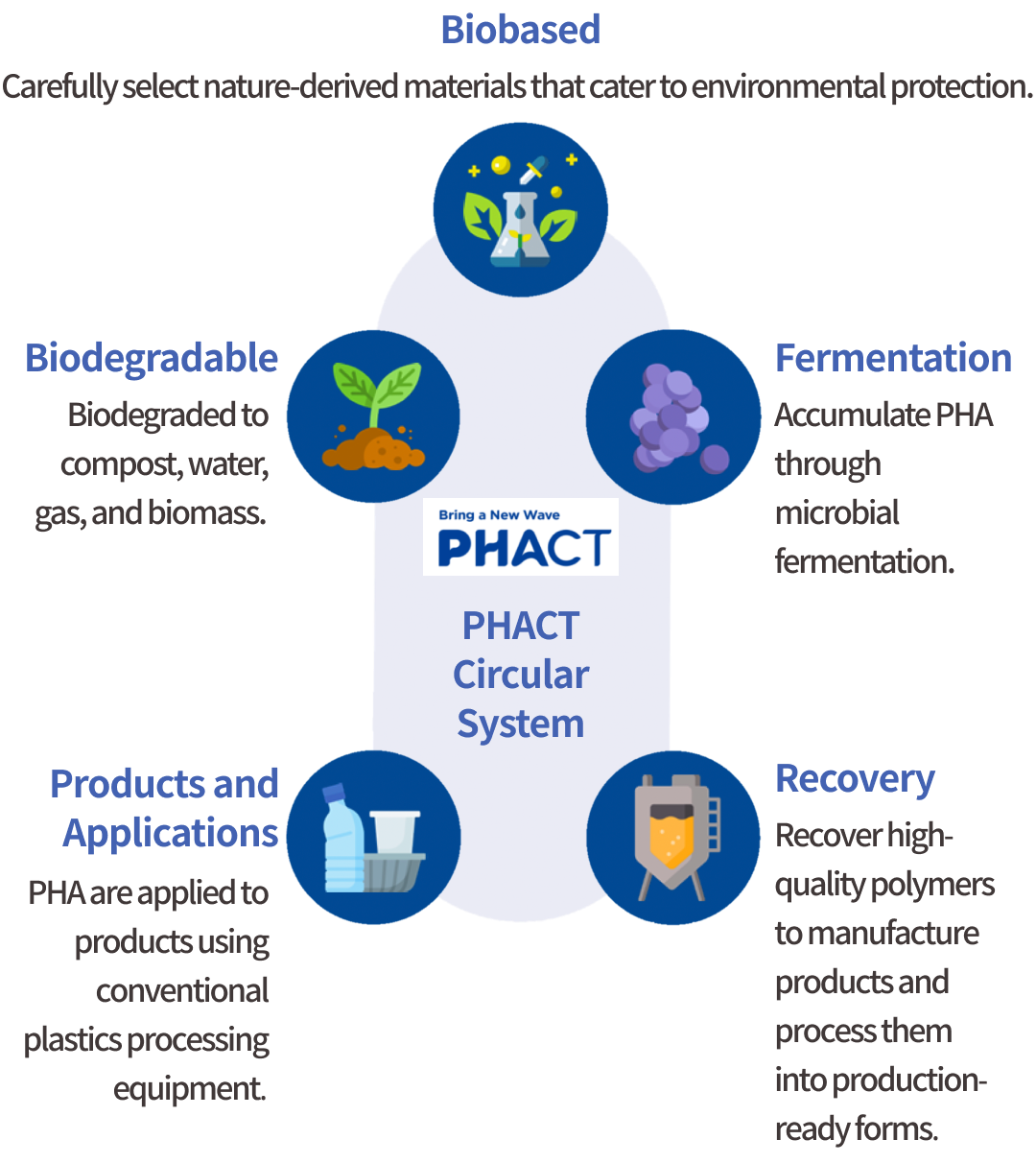
Development of ‘PHACT,’ a Biodegradable and Compostable Material Brand
CJ CheilJedang launched a 100% bio-based, marine biodegradable material brand (PHACT) in 2022. PHACT represents CJ CheilJedang’s polyhydroxyalkanoate (PHA) brand, a polymer substance that accumulates in the cells of microorganisms and consumes plant-derived components. PHA is industrial and home compostable and biodegradable in soil and marine environments. These properties have put PHA under the spotlight as a material that can replace petroleum-based plastics and help mitigate plastic pollution. CJ CheilJedang offers two PHA product lines: aPHA (amorphous PHA) and scPHA (semi-crystalline PHA). Notably, CJ CheilJedang was the first n the world to successfully mass produce aPHA. (About PHACT)
Waste Management
Waste Management at Manufacturing sites
CJ CheilJedang conducts systematic waste management based on its “Environmental Policy.” At domestic sites, we comply with legal procedures and processes in accordance with the “Wastes Control Act,” and manage and record waste generation and emissions through the integrated waste management system operated by the Ministry of Environment. Additionally, we have established the CJ Environment, Health, and Safety System to comprehensively manage water, air, and waste. Through this system, we collect data such as waste emissions by type, disposal companies, and disposal methods. The collected data is monitored annually as a key indicator and is used for analysis and the development of future strategies.
Expansion of Waste Recycling
CJ CheilJedang minimizes waste through recycling programs, identifying partners for waste reuse, and optimizing production processes. At our Busan plant in Korea, we improved our waste management system by increasing the volume of Hetbahn waste sent to recycling facilities instead of incineration. In Piracicaba, Brazil, we identified recycling partners and applied appropriate recycling methods—such as composting or converting waste into ceramic raw materials—based on waste type, including synthetic resin, ash, and activated carbon.
We also optimize the operation of wastewater treatment facility to control both wastewater sludge volume and moisture content. Based on product and facility conditions at our domestic and overseas sites, we execute process improvements, such as enhancing sludge physical properties and changing treatment vendors, to increase operational efficiency and achieve unit-cost savings. Since 2022, some Food Business Unit sites have achieved Zero Landfill Verification1) and, using Korea’s circular resource recognition system, have converted by-products generated at our facilities—such as rice bran and soybean pulp—into valuable resources.
1) Zero Landfill Verification by UL (Underwriters Laboratories) (UL SOLUTIONS 2799A)
Waste Issue Management
When waste contractors violate regulations, such as through illegal dumping, the waste generator may also be held socially responsible. To prevent such risks, we follow comprehensive monitoring guidelines. Contractors undergo short- and long-term evaluations before signing a contract, and inspections are conducted at least twice a year during the contract period. If any issues are identified, inspection results are shared, and corrective actions are tracked to ensure proper resolution.
Food Loss and Waste Management
Food Loss and Waste Reduction Strategy
CJ CheilJedang monitors food loss and waste, including edible by-products, through the “The Smart SCM” system, which tracks monthly changes and trends by product. We analyze leading indicators of food waste such as product aging, returns, recalls, and inventory fluctuations at disposal centers to identify root causes and prevent waste in advance. By improving efficiency across each stage of the value chain and identifying opportunities for recycling, we reduce the total amount of food waste generated.
Upcycled Snack Using By-products: EXCYCLE Basak Chips
Launched in 2022, “EXCYCLE Basak Chips” are made with imperfect rice that could not be used during the production of Hetbahn. The product is currently sold in major global markets including the United States, Malaysia, Hong Kong, and Australia, with plans for further international expansion.
Supporting the Upcycled Food Industry Through Startup Investment and Collaboration
The food upcycling startup “Re:Harvest,” in which CJ CheilJedang has invested, developed an alternative flour using CJ CheilJedang’s milling by-products. This flour is used as an ingredient in two types of sliced bread offered by CJ Foodville’s bakery brand, "Tous Les Jours.“ Additionally, “SNE Company,” which operates a trading platform for imperfect agricultural, marine, and livestock products, was selected as part of the third cohort of the “Frontier Labs” startup incubation program. CJ CheilJedang continues to support market access and promote consumer value through such initiatives.