Most people do not think of a bowl of rice as anything extraordinary. When they are hungry, they simply sit down at the table and take a spoonful of familiar white rice. But for some, rice is never something to take lightly. Before eating, they must first calculate whether they can eat it, how much they can have, and how it may affect their body afterward.
One of the clearest examples is phenylketonuria, or PKU, a congenital metabolic disorder. PKU is a rare disease that affects roughly one in every 60,000 newborns. Because the body lacks the enzyme needed to break down protein, failure to manage the diet properly can lead to seizures, developmental disorders, and in severe cases, brain damage. That is why even plain white rice, not to mention bread, meat, or fish, cannot be eaten freely.
“Don’t eat that.” It’s something many of us hear throughout our lives. As kids, we hear it when reaching for snacks. As adults, we hear it when craving late-night food. But for some people, those words are not just casual advice. They are a rule for survival—one that must be followed at every meal.
(The Recipe for Why It Works)
There are people who cannot freely eat bread, meat, fish, or even a simple bowl of white rice. They are people living with phenylketonuria, or PKU, a rare congenital metabolic disorder.
PKU affects about one in every 60,000 newborns. Because the body cannot properly break down protein, a disrupted diet can lead to seizures, developmental disabilities, and in severe cases, even brain damage. That is why even a single bowl of rice must be carefully measured and controlled.
For years, however, the low-protein specialty foods these patients desperately needed were not available in Korea. Many had no choice but to rely on imported products that were expensive and often poor in texture and taste.
Then, the urgent reality of life with PKU (“Couldn’t this be made in Korea as well?”) entered the company through the voice of an employee raising a child with the condition.
In response, CJ CheilJedang began development using its leading instant rice technology. The result was Hetbahn Low-Protein Rice—the first and only product of its kind in Korea.
And this year, a new chapter has been added to that story. CJ CheilJedang is now thinking beyond simply making the product, and focusing on how to ensure it reaches everyone who truly needs it.
Until now, supply has mainly gone first to young children with PKU. But PKU does not end with childhood. Even as adults, patients must continue strict dietary control. In other words, low-protein rice is essential for all people with PKU—children and adults alike.
That is why CJ CheilJedang has partnered with the Korea Disease Control and Prevention Agency and the Korean Organization for Rare Diseases. The goal is clear: to build a more stable and reliable supply system for adult patients as well.
Through this MOU, patients will be able to request the amount they need through a dedicated channel and receive it through a more systematic process. This means less anxiety over limited supply, and less dependence on costly imported alternatives.
Of course, Hetbahn Low-Protein Rice is not an easy product to make. Its protein content must be reduced to one-tenth that of regular rice, and it requires a special processing method to break down protein safely. At the same time, the taste and texture of rice cannot be compromised.
With only around 300 patients in Korea, this is a highly specialized product with limited demand. But that only makes precision, care, and strict standards even more important.
Even so, CJ CheilJedang is expanding not just production, but supply as well. Because as a leading instant rice company, it has chosen not to turn away from the responsibility that comes with its technology.
If you are the company that makes the most essential bowl of rice, then you cannot ignore the people who need that rice the most.
This also reflects Chairman Lee Jay-hyun’s philosophy of doing “what CJ must do.”
This MOU is not the end of the story. It is the next step in CJ CheilJedang’s commitment to low-protein rice.
For some people, a bowl of rice is ordinary. For others, it comes with countless restrictions.
Perhaps this change marks another beginning—one that helps make their table a little broader, and a little stronger.
(The Recipe for Why It Works)
A Time When There Was No Rice They Could Eat
Awareness of low-protein medical foods has gradually grown, but until the late 2000s, low-protein rice was not available in Korea. Patients and their families had to rely on costly imported products, which were not only expensive but often difficult to obtain.
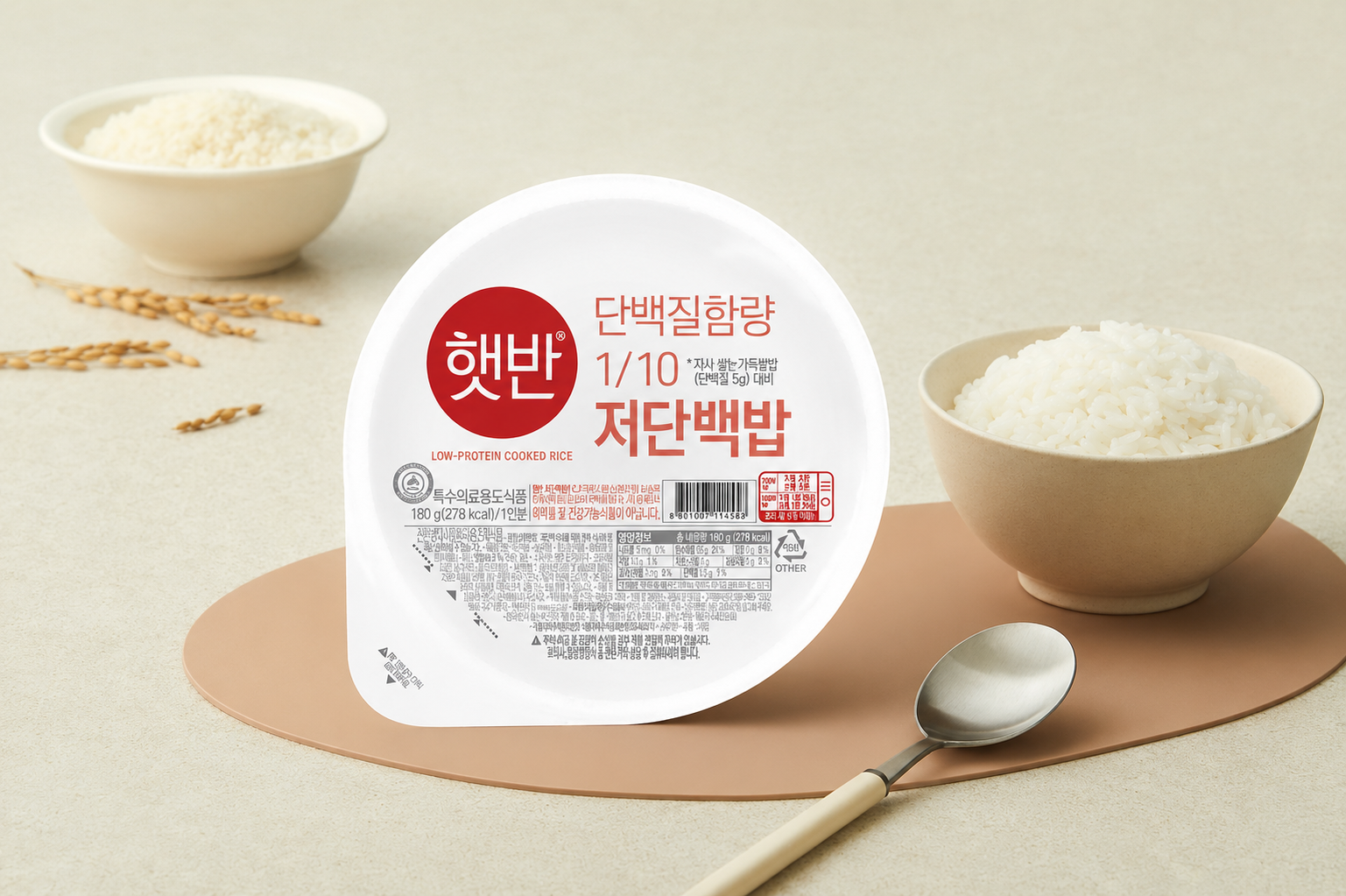
That desperate reality reached a turning point in 2009. The story of a CJ CheilJedang employee raising a child with PKU made its way into the company, and as the nation’s leading instant rice maker, CJ CheilJedang quickly began developing a solution. The result was Hetbahn Low-Protein Rice, the first product of its kind in Korea and still the only one available domestically today.
The Long Commitment Behind a “Special” Bowl of Rice
Producing Hetbahn Low-Protein Rice is more complex than making ordinary instant rice. To reduce the protein content to one-tenth of that in regular rice, the process requires a special protein breakdown step that takes more than 24 hours. Yet functionality alone was never enough. The product also had to preserve the quality and taste expected of rice in Korean food culture. It was an effort to satisfy both the technical demands of a low-protein diet and the deeply rooted belief that rice should still feel like rice.
Demand, meanwhile, is extremely limited compared with mainstream products. There are only around 300 PKU patients in Korea. Continuing to produce such a specialized food is not something that can be explained by sales strategy alone. Even so, stopping production was never really an option. What may seem like a very small market to some is, for patients and their families, an essential part of keeping daily meals possible.
From Production to Supply
This year, the story of Hetbahn Low-Protein Rice entered a new chapter. The conversation has begun to shift from simply making the product to ensuring that it reaches those who need it more reliably.
PKU is not a condition that only requires management during childhood. Dietary control must continue into adulthood, which means the need for low-protein rice remains the same for adults as it does for children.
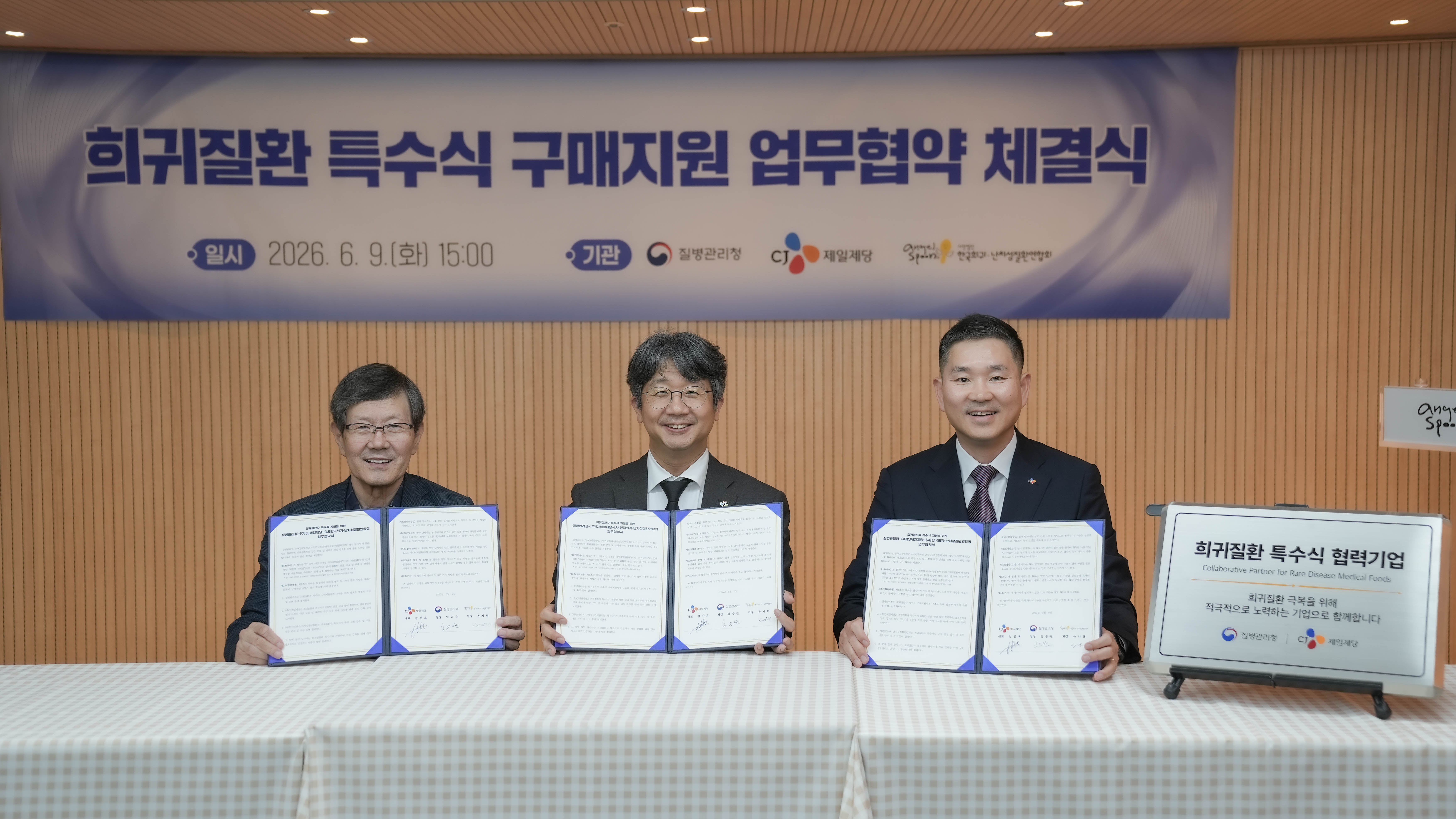
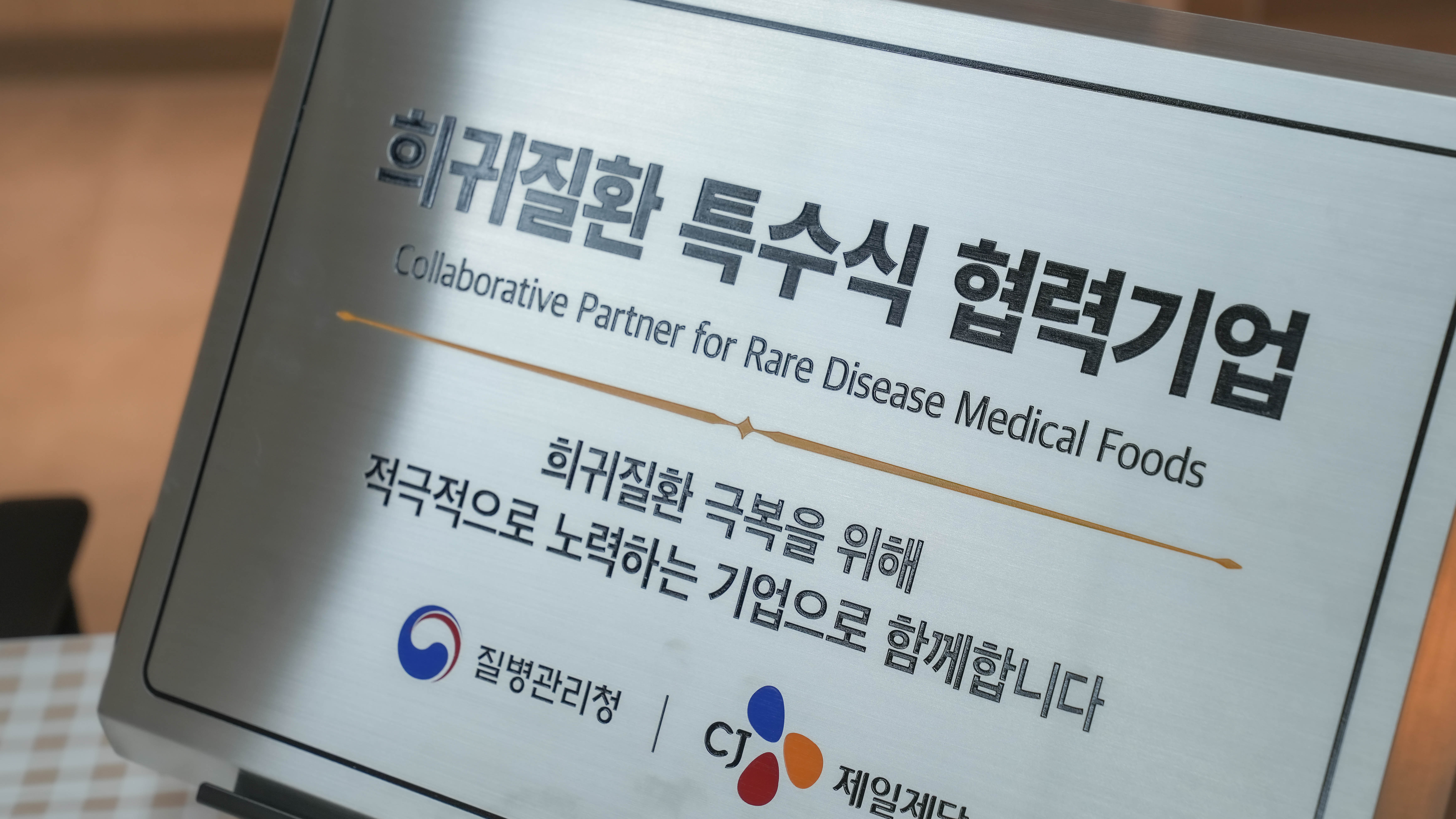
That is why CJ CheilJedang joined hands with the Korea Disease Control and Prevention Agency and the Korea Alliance of Rare and Intractable Disease Organizations. Together, they signed a memorandum of understanding to build a support system for the purchase of special medical foods for rare disease patients. The significance is clear: to create a structured and stable system through which all patients, including adults, can apply for the quantities they need through a dedicated channel and receive Hetbahn Low-Protein Rice in a more reliable way. A system is now beginning to take shape that can reduce the anxiety of waiting for limited remaining stock or having to search for imported alternatives.
In the Way Only a Leading Instant Rice Company Can
Hetbahn Low-Protein Rice shows how far a company known for making the most basic bowl of rice can extend its technology. It also naturally reflects Chairman Lee Jay-hyun’s long-emphasized management philosophy of doing “what CJ must do.” Even without grand explanations, that direction becomes clear in the company’s choice not to let go of the tables of those who need it most.
Today, the significance of Hetbahn Low-Protein Rice goes beyond simply continuing production. It marks another beginning, one that helps more patients prepare a stable meal with greater peace of mind. And in doing so, Hetbahn Low-Protein Rice continues to expand, little by little, what the table can hold.