Researcher’s Venture into the World of Global Snacks
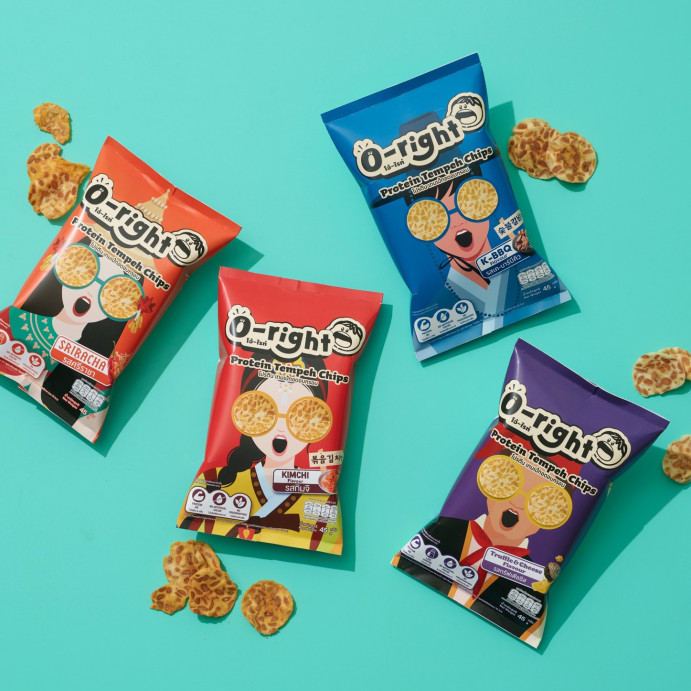
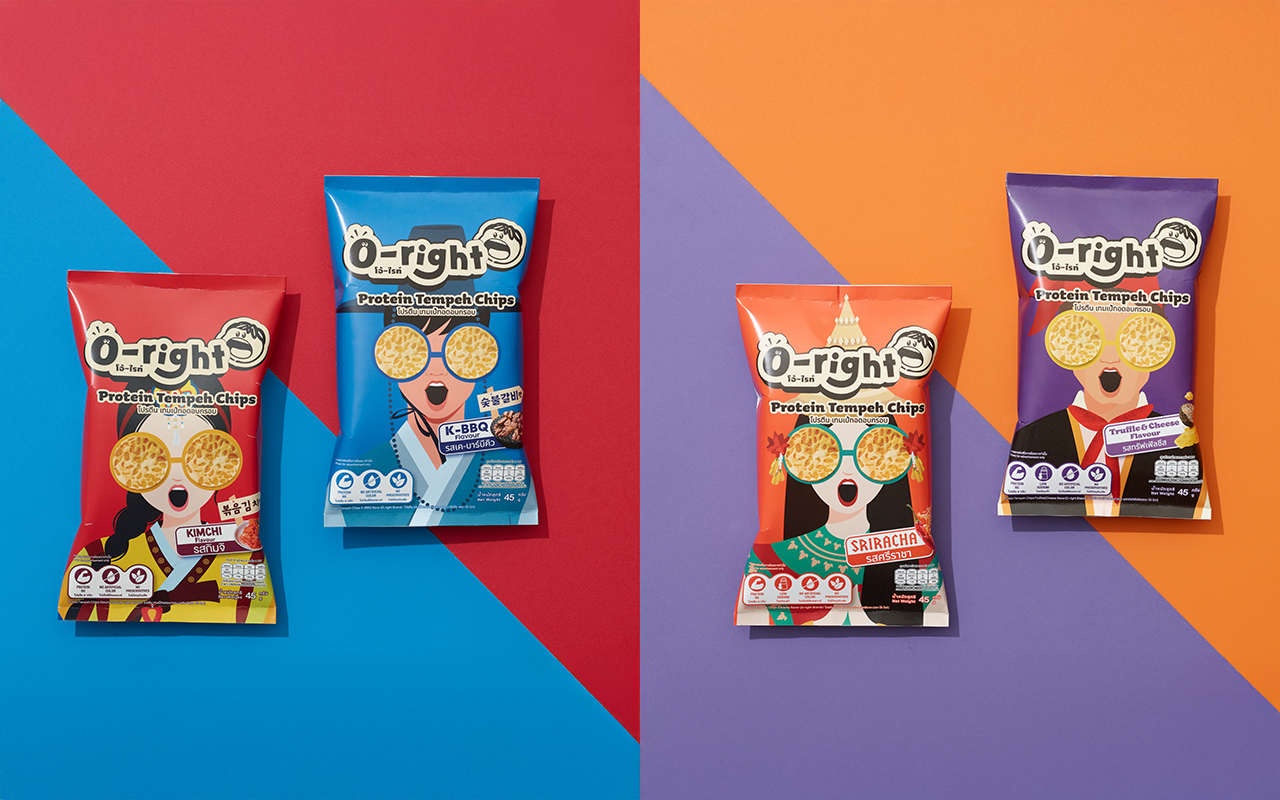
At Bangkok's must-visit shopping destination, ICONSIAM, an unexpected discovery awaits visitors at the snack section of Dear Tummy market — Korean-labeled snack packages. Since September, this newcomer has gained prominence in Thailand’s major retail stores, traditionally taken up by American potato chips. The product in question, "O-right Tempeh Chips," offers a modern twist on Indonesia's traditional fermented food, tempeh.
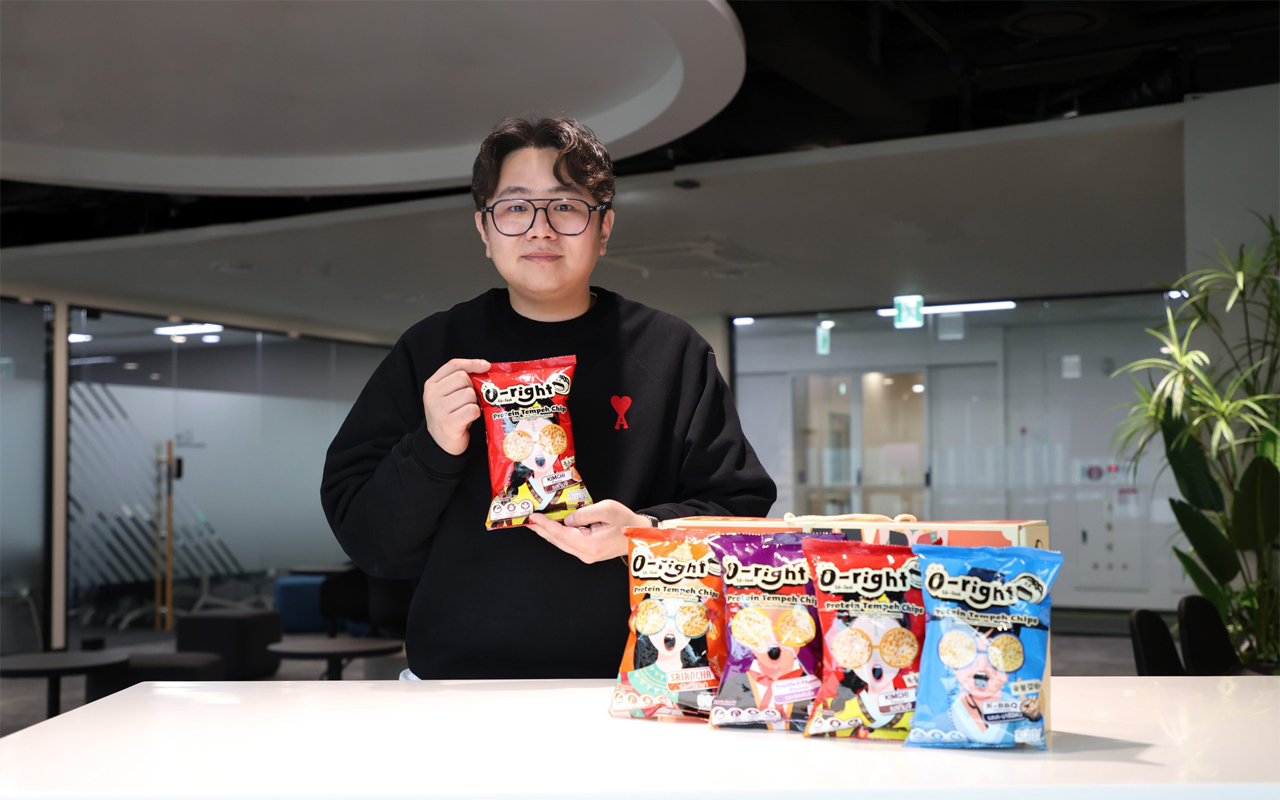
Tempeh, alongside Korea's doenjang and Japan's natto, is a signature fermented soybean food of Indonesia and the foundation of this innovation. Leading this project is Jeon Jin, a fermentation researcher at CJ CheilJedang, who envisioned transforming this centuries-old ingredient into a contemporary and accessible snack.
Snack Innovation Through Fermentation
The idea of “bringing fermentation to snacks” was the catalyst for the development of tempeh chips. But why tempeh? The answer lies in Jin’s extensive research into the fermentation processes of Korean jang and the unique potential he saw in tempeh.
“ During our fermentation research, specifically focused on the Southeast Asian market, I became fascinated with tempeh’s potential. This traditional Indonesian fermented food has been cherished for over a millennium, as an excellent source of protein that is also highly digestible. However, since it was not one of the most widely used ingredients, we were led to explore packaging it in a more accessible format — that's when the idea hit me. Let’s make it a snack. ”
The choice of chips was a strategic decision, based on their fresh perspective of the very definition of a “snack,” along with extensive global market analysis initiated from the early planning stages.
“ My team and I studied three major types of snacks: crispy snacks like chips, convenient frozen items like corn dogs, and meal replacements such as fried chicken or dumplings. Considering the global market potential, we found that chips would be the most practical and optimal choice, particularly for their ready-to-eat convenience. ”
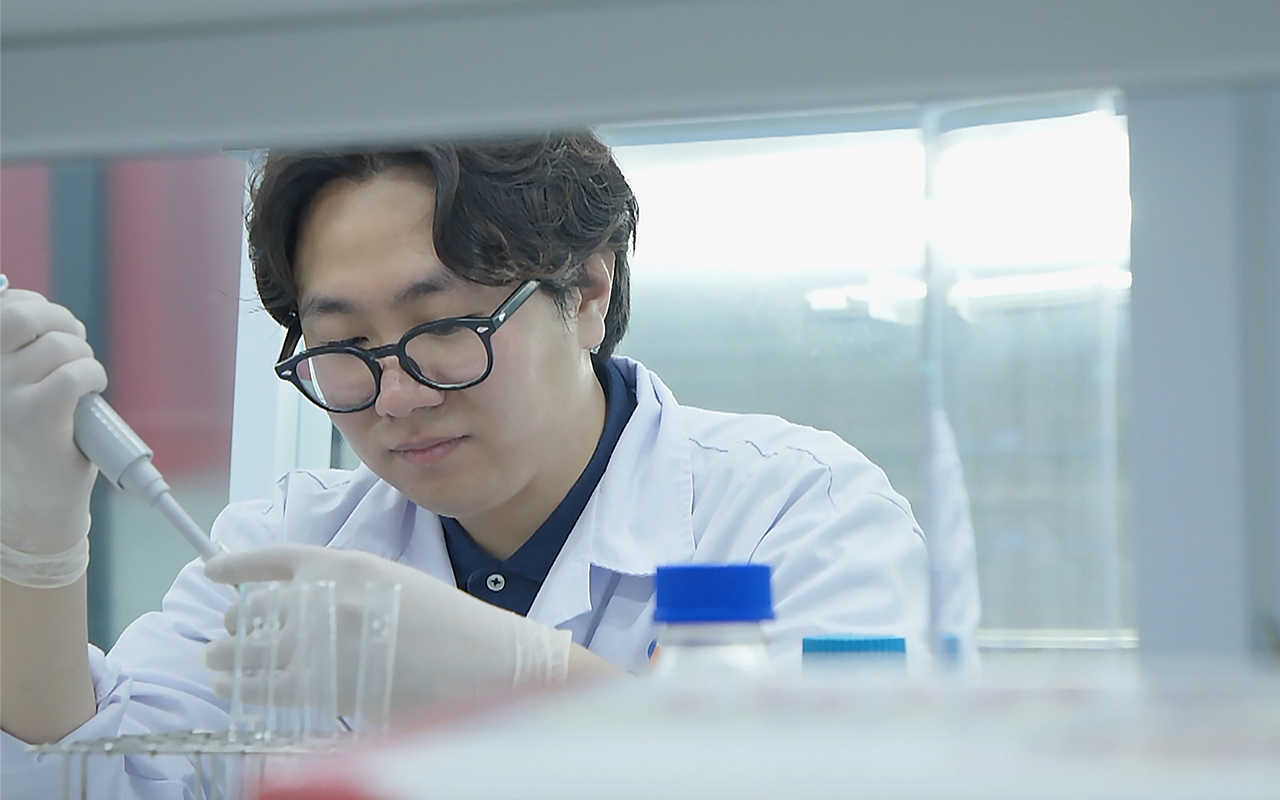
While selecting a production site outside Korea aligned with global market aspirations, the delicate process of manufacturing fermented foods posed significant challenges. Tempeh’s reliance on naturally occurring microorganisms means its taste can vary wildly with environmental factors such as temperature, humidity, and salinity. Despite extensive testing in Korea, the vastly different climates and conditions abroad presented unexpected challenges.
“ Even with carefully controlled fermentation conditions, problems kept coming up. It took us three months to figure out what was wrong and fix it. ”
The fermentation process typically takes 48 hours.* Identifying issues during this critical window of opportunity proved challenging, despite extensive testing and data collection. However, giving up was never an option.
*While the fermentation process for tempeh generally takes 7 days, CJ CheilJedang's patented fermentation technology reduces it to 48 hours.
“ I remember leaving the factory late one night after checking the fermentation. It was completely dark outside, and I had to wander around alone in search for a taxi to take me home. ”
Breaking Global Barriers
After countless late nights and a series of trials and errors, the Tempeh Chips were finally ready for the global market with consistent quality. Thailand was chosen as the first launch country for several reasons: it serves as a central hub in Southeast Asia, is an ideal gateway for expanding into other ASEAN markets, and offers a strong food manufacturing infrastructure as the region's leading processed food exporter.
“ Thailand was the perfect testing ground to showcase our new product to global consumers. Since Bangkok is a renowned tourist destination, our product is exposed not only to local customers but also to international tourists, giving us valuable insights into the product's market potential. ”
With the launch location confirmed, the team focused on selecting the flavors for the Tempeh Chips. After considering over twenty options, they carefully selected four finalists: Truffle Cheese, Sriracha, Charcoal-grilled Galbi, and Stir-fried Kimchi. The decision was strategically calibrated: Truffle Cheese to appeal to international palates, Sriracha to match Thailand's love for spicy flavors, and Charcoal-grilled Galbi and Stir-fried Kimchi to capture the essence of authentic Korean cuisine. One flavor that did not meet our initial expectations was Kaya Toast.
“ In the consumer survey, feedback stated, ‘The Kaya Toast flavor is interesting, but Thailand is known for its spicy flavors.' Initially, we took it as a positive comment. However, a local buyer later clarified to us that it was actually the opposite. ”
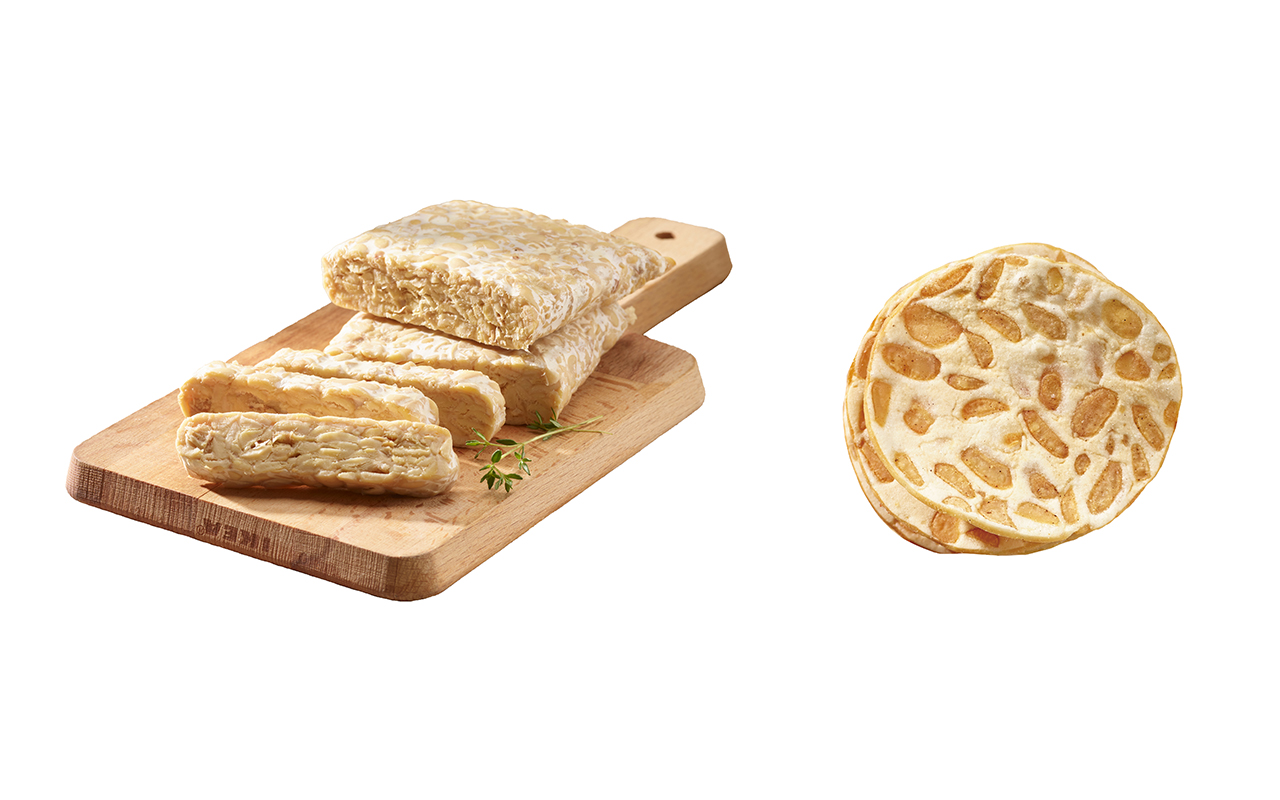
made through the fermentation of whole, unground soybeans
“ We learned that Thai people rarely express disapproval directly — they communicate preferences more subtly. It took us a while to fully grasp the difference in the cultural nuance, and it was eye-opening when we finally realized that the Kaya Toast flavor was a flop. ”
This moment of realization highlighted the importance of not just understanding local tastes, but also communication styles and cultural connotation, crucial for global expansion. These minor setbacks, however, became stepping stones toward evolving into a global snack brand.
“ Our focus now is on understanding our ‘actual’ local consumers — beyond mere assumptions — and what truly resonates with their daily lives. ”
Success Through In-house Venture Program
The project’s success was largely enabled by its status as an in-house venture under CJ CheilJedang's “INNO100” program. Jin, selected for Cohort 7 in 2022, was deeply involved in every aspect of the project, from planning and development to global manufacturing and distribution. He assembled a team of talented colleagues: Kim Chang-wi, who had been with the project since its inception; Suh Na-hyun, a marketing expert; and Lee Ji-sun, creator of the “Basak Chip” in Cohort 1. Together, they formed the “New Snack Innov. Lab.”
“ Starting out was tough. We faced challenges explaining the value of our product in Thailand, where the public awareness of CJ CheilJedang and our brands were minimal. And, of course, the language barrier added complications. I certainly could not have done it alone. ”
In the early phases, the team visited 54 snack manufacturers to discuss commercialization, strengthening their bonds along the way as a team. Jin and Chang-wi, in particular, developed such strong collaboration that they could communicate just through subtle cues.
“ We became so in tune with each other that we could communicate with just a look on each other’s faces. We could tell if they were stuck and needed help to move the meeting forward or if they simply could not find the right English expression at that moment. ”
As a small in-house venture team, every member was required to be versatile, playing many crucial roles in every aspect of the project. Eventually, they all learned to juggle multiple responsibilities simultaneously.
“ When I had to suddenly return to Korea, Chang-wi and Na-hyun stepped up to put on the lab coats and cover my laboratory work. Then, there were times when I assisted with marketing tasks. We all had each other’s backs. Even when we were physically apart, our strong teamwork made everything possible. ”
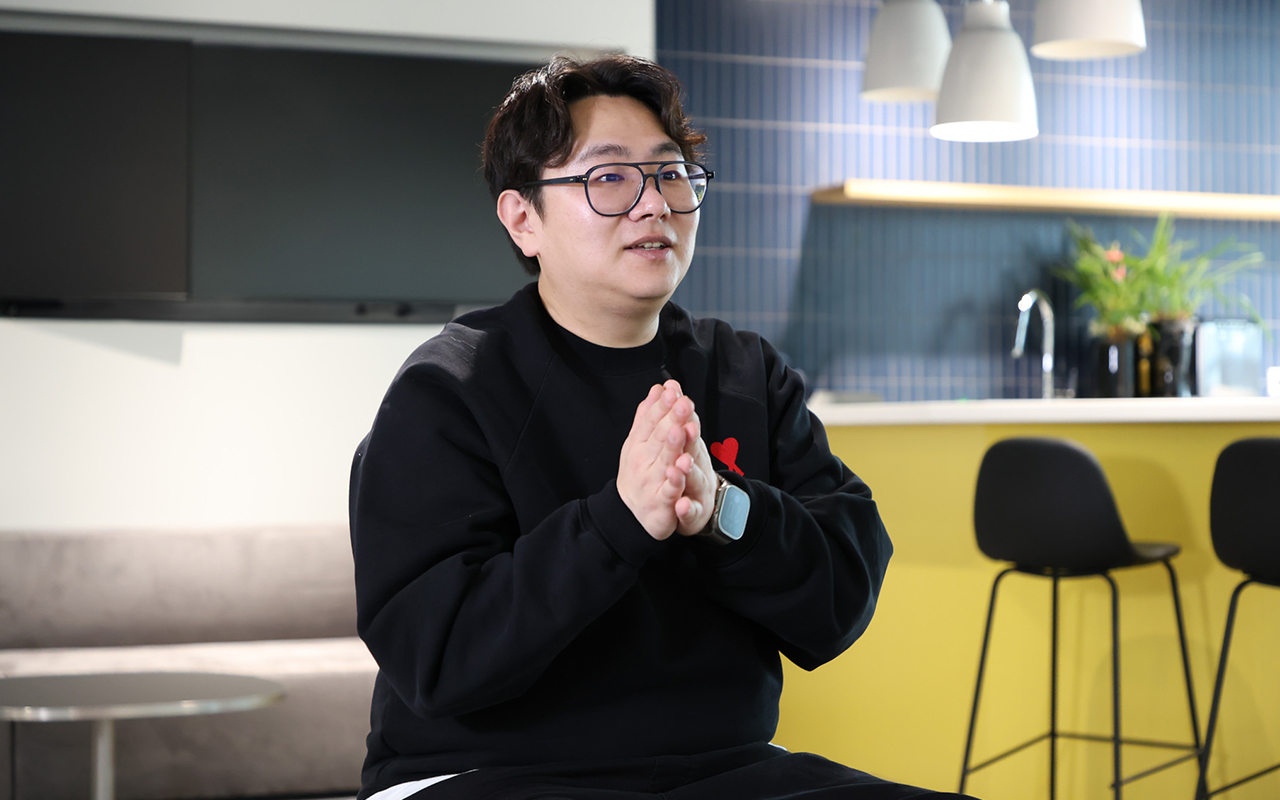
Journey of Trials and Errors: Keep Moving Forward!
“ Starting a completely new business in a foreign market like Thailand was daunting at every step. With the entire journey filled with obstacles, big and small, I often wondered if we would ever make it to launch. But we succeeded. I will never forget the sight of our first bag of Tempeh Chips rolling off the manufacturing line. Our greatest lessons came from the challenges and failures we faced. With that in mind, I will keep moving forward. ”
Having achieved their initial goal of entering the global snack market, the New Snack Innov. Lab members have since taken on new roles in different teams across CJ CheilJedang. Jin continues the journey from the Thailand office, preparing for the next chapter of the Tempeh Chips story.